I Switched to the 55 Inch and Here is What Happened
The landscape of home entertainment has shifted dramatically over the last decade. There was a time when a 32-inch screen was considered the standard for a primary living room, and a 42-inch display was viewed as a dedicated home cinema centerpiece. However, as bezel widths have shrunk and panel technology has become more efficient, the physical footprint of televisions has decreased even as their screen real estate has expanded. For many modern households, the 55-inch television has emerged as the "Goldilocks" size—large enough to provide an immersive cinematic experience, yet compact enough to fit into a variety of room configurations without requiring a structural overhaul of the living space.
Switching to a 55-inch display is often the first step for a consumer moving away from "casual" viewing into the realm of enthusiast home media. It is the size where 4K resolution (3840 x 2160 pixels) truly begins to reveal its advantages, offering a pixel density that remains sharp even at relatively close viewing distances. When moving from a smaller 40-inch or 43-inch set, the jump to 55 inches represents a nearly 60% increase in total screen area. This transition changes more than just the visual scale; it alters the way a room is used, how furniture is arranged, and how media—from prestige television dramas to high-octane gaming—is consumed.
The Impact of the Upgrade: First Impressions and Spatial Dynamics
Upon installing a 55-inch television, the most immediate observation is usually the change in room presence. A screen of this size demands attention. In a standard medium-sized living room, it fills the field of vision more effectively than its predecessors, creating a "window effect" where the content feels less like a broadcast and more like a physical presence in the room. This is particularly noticeable in modern apartments or suburban homes where the distance between the sofa and the TV stand typically falls between 5.5 and 8 feet.
At this distance, the 55-inch size hits a sweet spot. It provides enough immersion to make movies feel grand, yet it is not so large that the viewer has to physically move their head to follow the action on screen. This lack of "eye strain" or "neck fatigue" is a common concern for those considering even larger 65-inch or 75-inch sets. By sticking with the 55-inch format, users often find they can maintain their existing furniture layouts while significantly upgrading the quality of their experience.
Visual Fidelity and Panel Performance
The 55-inch category is perhaps the most competitive segment in the electronics market. Consequently, manufacturers often reserve their best panel technologies for this size. Whether it is the perfect blacks of an OLED (Organic Light Emitting Diode) or the high-peak brightness of a Mini-LED or QLED (Quantum Dot LED) display, the 55-inch model is where these technologies tend to shine without the exorbitant price premiums found in larger sizes. Detail and texture become much more apparent at this scale. In 4K HDR (High Dynamic Range) content, the nuance of a costume's fabric or the subtle gradations in a sunset are rendered with a clarity that smaller screens simply cannot reproduce due to pixel crowding.
For gamers, the switch to 55 inches is often transformative. Modern gaming consoles and high-end PCs output incredible levels of detail. On a 55-inch set, the heads-up display (HUD) elements in games are large enough to read comfortably, and the peripheral vision is adequately filled, aiding in the sense of immersion. This size also accommodates local multiplayer or "split-screen" gaming far better than smaller alternatives, allowing each player a dedicated space that is still large enough to be functional.
Detailed Product Analysis: Why 55 Inches Works
To understand why the 55-inch switch is so effective, one must look at the technical balance between size, resolution, and viewing distance. The industry standard for "retina" viewing—where the human eye can no longer distinguish individual pixels—at a 4K resolution on a 55-inch screen is approximately 3.5 to 4 feet. Because most people sit further away than this, the image appears perfectly smooth and lifelike. Smaller screens often feel "cramped" for 4K content, while larger screens (65+ inches) sometimes reveal the limitations of lower-resolution 1080p content if the upscaling engine of the TV is not top-tier.
Furthermore, the 55-inch model is highly versatile in terms of mounting. Most 55-inch televisions weigh between 30 and 45 pounds, making them compatible with standard VESA wall mounts and even relatively lightweight entertainment centers. This ease of installation is a major factor for renters or those who do not wish to drill heavy-duty anchors into their walls. The physical width of a 55-inch TV is roughly 48 inches, which fits comfortably on almost any standard 50-inch or 60-inch wide media console.
Sound Quality and Acoustics
While most enthusiasts will pair a new television with a soundbar or a dedicated surround sound system, the internal audio of 55-inch sets often benefits from the increased cabinet size. Manufacturers have more room to implement larger drivers or even integrated subwoofers compared to the ultra-thin 43-inch models. While it will never replace a true home theater audio setup, the "out-of-the-box" sound experience on a 55-inch TV is generally more robust, offering clearer dialogue and a wider soundstage that matches the larger visual presentation.
Shop the latest TVs & Home Theater picks on Amazon.
See Deals →Pros and Cons of the 55-inch Switch
- Pro: Optimal Pixel Density. Provides the best balance for 4K content at standard living room distances, ensuring a sharp, crisp image without visible pixelation.
- Pro: Market Diversity. This is the flagship size for most brands, meaning users get access to the latest panel technologies, higher refresh rates (120Hz/144Hz), and better processors.
- Pro: Value for Money. The price-per-inch ratio is often at its most efficient here. The jump in price from 55 to 65 inches is usually much steeper than the jump from 43 to 55 inches.
- Pro: Furniture Compatibility. A 48-inch wide unit fits on most existing furniture, avoiding the need for an expensive "total room redesign."
- Con: Not a "Jumbo" Experience. For those with massive living rooms or dedicated theater basements, the 55-inch might still feel slightly small if sitting more than 10 feet away.
- Con: Power Consumption. Larger screens naturally draw more power than their smaller counterparts, though modern energy-saving modes have mitigated this significantly.
- Con: Transportability. While not "massive," a boxed 55-inch TV will not fit in the trunk of a small sedan, often requiring a larger vehicle or delivery service.
Comparing the 55-inch Experience Against Other Sizes
When selecting a television, it is helpful to see how the 55-inch specifications stack up against the other common sizes in the market. This table outlines the typical physical and viewing characteristics for comparison.
| Screen Size (Diagonal) | Approximate Width | Recommended Viewing Distance | Best Use Case |
|---|---|---|---|
| 43 Inches | 38 Inches | 3 - 5 Feet | Bedrooms, Kitchens, Small Offices |
| 55 Inches | 48 Inches | 5.5 - 8 Feet | Standard Living Rooms, Apartments, Enthusiast Gaming |
| 65 Inches | 57 Inches | 8 - 12 Feet | Large Living Rooms, Media Rooms |
| 75+ Inches | 66+ Inches | 12+ Feet | Dedicated Home Cinemas, Large Open-Plan Houses |
The Comprehensive Buying Guide for a 55-inch TV
Making the switch to a 55-inch TV involves more than just picking a brand. To ensure the upgrade provides the "wow factor" you are looking for, several key features must be evaluated. Not all 55-inch sets are created equal, and the internal components are what distinguish a budget display from a premium centerpiece.
Panel Technology: OLED vs. QLED vs. LED
The panel is the heart of the television. OLED is widely considered the gold standard for movie lovers because each pixel is self-emissive, allowing for "perfect" blacks and infinite contrast. This makes dark scenes in movies like The Batman or Dune look incredible. On the other hand, QLED and Mini-LED sets utilize a backlight with a layer of quantum dots to produce much higher brightness levels. If your 55-inch TV will be placed in a room with many windows or high ambient light, a high-brightness QLED might actually perform better than an OLED.
Refresh Rate and Motion Handling
If you watch sports or play video games, look for a 120Hz refresh rate. Many budget 55-inch models are limited to 60Hz. A 120Hz panel provides much smoother motion, reducing the "blur" seen during a fast-moving football game or a chaotic action sequence. Furthermore, TVs with a 120Hz refresh rate often include HDMI 2.1 ports, which are essential for getting the most out of modern gaming consoles.
High Dynamic Range (HDR) Formats
HDR is just as important as 4K resolution. It allows for a wider range of colors and brightness. When switching to a 55-inch set, look for support for Dolby Vision or HDR10+. These are "dynamic" HDR formats that adjust the picture quality scene-by-scene, rather than applying a single setting to the entire movie. At this screen size, the difference in highlight detail and color accuracy is starkly visible.
Smart TV Ecosystem and Processor
The "intelligence" of the TV matters. A slow interface can make a beautiful screen feel frustrating to use. Modern 55-inch televisions act as hubs for streaming services. Ensure the TV has a reputable operating system (such as Google TV, webOS, or Tizen) and a powerful enough processor to handle upscaling. Upscaling is the process where the TV takes lower-resolution content (like a 1080p YouTube video or a cable broadcast) and uses AI to make it look like 4K. On a 55-inch screen, poor upscaling is easy to spot, so a high-quality processor is a hidden but vital requirement.
Placement and Ergonomics
Before the switch, measure your stand. While many 55-inch TVs use a central pedestal, many others use "v-shaped" feet located at the far edges of the screen. If your media console is narrow, you may find that the feet of the TV actually hang off the edge. Additionally, consider the height of the TV. When sitting on a sofa, your eyes should ideally be level with the middle of the screen. Placing a 55-inch TV too high (the classic "TV above the fireplace" mistake) can lead to significant neck strain because the screen's vertical height is much greater than that of a 40-inch set.
Real-World Use Cases: How Life Changes After the Switch
To truly understand "what happened" after the switch, we should look at how daily habits change. For many, the television stops being a background device and becomes a primary destination for entertainment. The increased scale encourages family movie nights, making the experience feel more like an "event" than just passing the time.
Find top-rated TVs & Home Theater products at great prices.
View Offers →Professionals working from home have also found that a 55-inch TV can serve as a massive secondary monitor for specialized tasks. While it is too large for standard spreadsheet work at a desk, it is excellent for video editing, large-scale presentations, or monitoring multiple data streams from a distance. The 4K resolution ensures that text remains legible even when the screen is scaled.
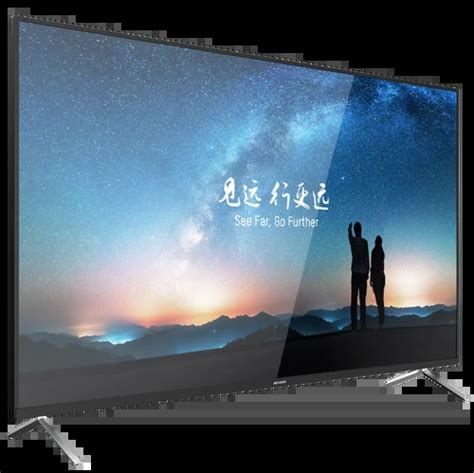
In social settings, the 55-inch TV is a game-changer. Whether hosting a Super Bowl party or a gaming tournament, the viewing angles on modern 55-inch panels (especially OLED and IPS-type LEDs) are wide enough that guests sitting on the side of the room still see accurate colors and contrast. This "social viewing" aspect is one of the most cited benefits by users who have upgraded from smaller, more restrictive screens.
Technical Considerations for the Long Term
Buyers should also be aware of the "burn-in" or "image retention" factors associated with certain technologies. While modern OLEDs have sophisticated mitigation techniques (like pixel shifting), users who plan on leaving news tickers or static gaming HUDs on for 10 hours a day might want to lean toward LED-based technologies. Conversely, those who want the ultimate cinematic accuracy and dark-room performance will find the 55-inch OLED switch to be the single most impactful upgrade they can make to their home.
Another factor is the integration of the "Smart Home." Most 55-inch TVs now come with integrated voice assistants and the ability to control smart lights or thermostats. The TV becomes the dashboard of the home. When you switch to a modern 55-inch set, you are often also switching to a more interconnected lifestyle where your devices communicate more seamlessly than they did with older, "dumber" sets.
Conclusion
Switching to a 55-inch television is a significant milestone in the journey of any home entertainment enthusiast. It represents the point where the hardware transitions from being a mere appliance to a specialized tool for high-quality media consumption. The 55-inch size offers a unique harmony: it provides the immersive scale required for 4K and HDR to truly shine, yet it remains physically manageable for the average living environment.
What happens after the switch is a shift in perspective. Content that once felt small and distant becomes vibrant and engaging. Details that were previously lost are suddenly clear. The room feels more like a cinema, and the technology feels more like an experience. Whether you are driven by the desire for better gaming performance, clearer sports broadcasts, or a more cinematic movie night, moving to a 55-inch display is a sensible, high-impact upgrade that balances performance, space, and value. It is the standard for the modern home for a reason, and once you make the leap, it is very difficult to imagine going back to anything smaller.